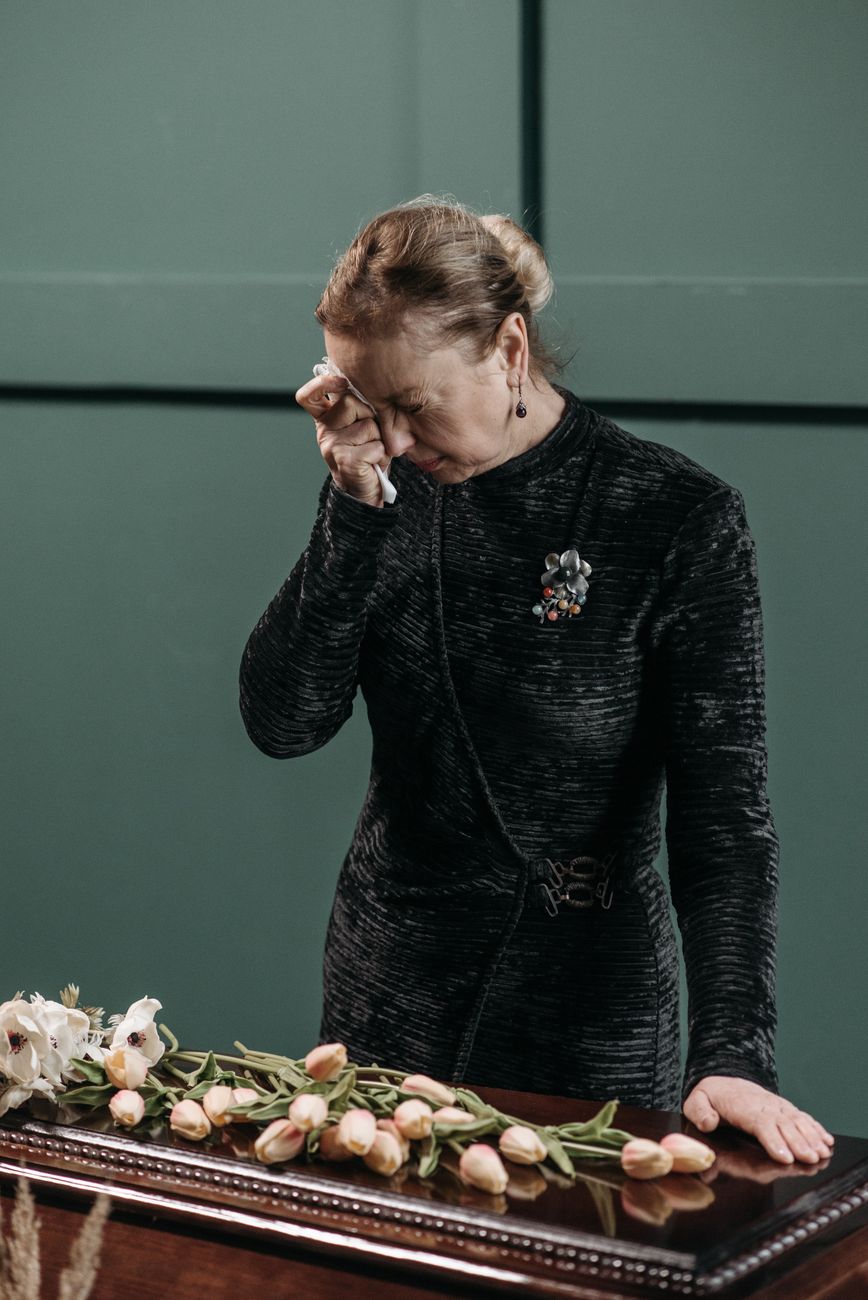
Today, August 25, 2026, the world lost Dolly Parton.
She was 80 years old.
And honestly, even though I never knew Dolly Parton personally, the news still feels strange.
There are certain people who become so deeply woven into our culture that they almost stop feeling like ordinary human beings. We see them everywhere. We hear their music. We watch their movies. We hear stories about them. We grow up knowing their names. Their voices become familiar. Their personalities become familiar.
And then one day, we get the news that they’re gone.
Dolly Parton was one of those people.
She wasn’t simply a country singer. She was a songwriter, actress, businesswoman, philanthropist, author, entertainer and cultural icon. Her career stretched across generations. Songs like “Jolene,” “9 to 5,” “Coat of Many Colors,” and “I Will Always Love You” became part of the cultural fabric of America and far beyond it.
But I think what makes her death hit differently for so many people is that Dolly Parton represented something bigger than her career.
She represented warmth.
She represented humor.
She represented perseverance.
She represented the idea that you could become incredibly successful without completely losing the person you were before you became successful.
She came from extreme poverty in rural Tennessee and eventually became one of the most recognizable entertainers in the world. She built businesses, made movies, wrote countless songs and created the Imagination Library, which has helped put books into the hands of children around the world.
And yet, when people talk about Dolly, they often don’t begin with the awards.
They talk about Dolly.
The person.
That matters.
Because when someone dies, we often realize that their greatest legacy isn’t necessarily the things they accomplished. Sometimes it’s the way they made people feel.
And Dolly Parton made a lot of people feel good.
That doesn’t mean she was perfect. No human being is.
It means that she became associated with a certain kind of kindness and optimism that feels increasingly rare.
And that’s part of why today can be difficult for people who are already struggling with their mental health.
Grief Doesn’t Require a Personal Relationship
One thing I’ve learned about grief is that we sometimes try to put rules around it.
We tell ourselves that we’re only supposed to grieve if we personally knew someone.
But that’s not how grief works.
You can grieve someone you’ve never met.
You can grieve an artist whose music got you through a difficult period.
You can grieve an actor whose movies you watched with your family.
You can grieve a public figure who represented something meaningful to you.
And sometimes, you aren’t even grieving the person themselves as much as you’re grieving what their death represents.
Dolly Parton’s death can remind people of their childhood.
It can remind someone of a parent or grandparent who loved her music.
It can remind someone of a particular period of their life.
It can make someone realize that another piece of their childhood is gone.
It can even make someone confront their own mortality.
And that last one can be particularly uncomfortable.
Because when someone who seemed almost immortal dies, we are reminded that none of us are immortal.
The “They Were Always There” Feeling
There are celebrities who feel like they’ve simply always existed.
Dolly Parton was one of them.
For many people, she was already famous before they were born.
She had already been writing and performing music for decades before entire generations of fans came into the world.
She became part of people’s lives without necessarily being invited into them.
You heard her songs on the radio.
You saw her on television.
You watched her movies.
You heard your parents or grandparents talk about her.
You visited Dollywood.
You encountered her through popular culture.
And eventually, she became part of your understanding of what America looked and sounded like.
So when someone like that dies, there can be a strange psychological reaction.
It can feel almost unreal.
You know intellectually that she was 80 years old.
You know intellectually that people die.
You know intellectually that celebrities are human beings.
But emotionally, something can still feel different.
Because somewhere in your mind, that person had become part of the permanent background of your life.
Then suddenly they’re not there anymore.
And Dolly Had Been Dealing With Grief Herself
There is another part of this story that makes today’s news particularly poignant.
Dolly had already been dealing with enormous personal loss.
Her husband, Carl Dean, died in March 2025 after nearly 60 years of marriage. In the months afterward, Dolly spoke about rebuilding herself spiritually, emotionally and physically. She had also acknowledged dealing with health challenges.
That’s something worth remembering when we talk about celebrities.
They experience grief too.
They experience loneliness.
They experience fear.
They experience uncertainty.
Money and fame don’t make someone immune to being human.
Dolly Parton could fill stadiums and still experience the pain of losing someone she loved.
She could become one of the most successful entertainers in history and still have moments when life was difficult.
That doesn’t make her legacy smaller.
If anything, it makes her more human.
Mental Health Means Allowing Yourself to Feel Things
I think one of the worst things we can do when we’re grieving is tell ourselves that we’re not supposed to feel anything.
Maybe you weren’t a huge Dolly Parton fan.
Maybe you only know a couple of her songs.
Maybe you didn’t really follow her career.
That’s okay.
You don’t have to be devastated.
But if her death does affect you, that’s okay too.
There doesn’t have to be a mathematical formula for grief.
You don’t have to prove that you had enough of a connection to someone before you’re “allowed” to be sad.
If you’re sad, you’re sad.
If you’re shocked, you’re shocked.
If you’re thinking about your own childhood, that’s okay.
If you’re thinking about people you’ve lost, that’s okay.
If you’re thinking about your own mortality, that’s okay too.
Feelings don’t always need permission.
Sometimes they simply need to be acknowledged.
We Also Need to Be Careful With Death News
There is something else worth saying, especially in the age of social media.
When a famous person dies, the internet immediately explodes.
Tributes appear.
Memes appear.
Old interviews resurface.
People start speculating about what happened.
People begin sharing unverified information.
And sometimes people turn someone’s death into an argument.
We should resist that.
At the time of writing this, Dolly Parton’s death has been confirmed, but authorities and her representatives have not publicly provided an official cause of death.
We don’t need to invent one.
We don’t need to speculate.
We don’t need to turn someone’s death into content for our outrage machine.
Someone died.
A family lost someone.
Millions of people lost someone whose work mattered to them.
That’s enough.
What Do We Do With Grief?
We remember.
That’s probably the simplest answer.
Listen to the song that reminds you of someone.
Watch the movie you loved.
Look through an old photograph.
Talk to somebody.
Write something.
Cry if you need to.
Laugh if you remember something funny.
Grief doesn’t have to be solemn every second.
Sometimes the healthiest way to remember someone is to celebrate what they gave us.
And Dolly Parton gave the world an extraordinary amount.
She gave us songs.
She gave us performances.
She gave us characters.
She gave children books.
She gave people laughter.
She gave people opportunities.
She gave generations of people something to sing along to.
And she gave countless people permission to be unapologetically themselves.
That’s a hell of a legacy.
We Don’t Have to Pretend Death Isn’t Sad
I’ve written before about mental health, grief and the uncomfortable reality of being human.
And one thing I keep coming back to is that we don’t make ourselves mentally healthier by pretending that painful things aren’t painful.
Death sucks.
There is no way around that.
Even when someone lived a long life.
Even when someone accomplished incredible things.
Even when someone died peacefully.
Death still means someone is no longer here.
And sometimes we need to say that plainly.
Dolly Parton died today.
And that is sad.
It is okay to say that.
It’s okay to mourn her.
It’s okay to celebrate her.
It’s okay to listen to her music tonight.
It’s okay if you don’t feel particularly affected.
There is no single correct emotional response to death.
Thank You, Dolly
I never knew Dolly Parton.
Most of us didn’t.
But that doesn’t mean she didn’t touch our lives.
That’s one of the strange and beautiful things about art.
An artist can create something decades before you ever encounter it, and somehow that creation can still become part of your life.
A song can outlive its songwriter.
A movie can outlive its actors.
A book can outlive its author.
And a kindness can continue moving through the world long after the person who performed it is gone.
Dolly Parton’s physical life ended today.
Her legacy didn’t.
The songs are still here.
The stories are still here.
The books are still here.
The memories are still here.
The people she helped are still here.
And the people who were inspired by her are still here.
That’s the thing about leaving something meaningful behind.
You don’t really disappear.
Pieces of you continue living in other people.
So tonight, if you’re grieving Dolly Parton, don’t feel silly for it.
And if you’re not grieving, don’t feel guilty about that either.
We’re all human.
We all process loss differently.
But maybe we can all take a moment today to appreciate a woman who spent decades creating things that made people laugh, cry, sing, think and feel.
Rest in peace, Dolly.
Thank you for the music.
Thank you for the laughter.
Thank you for the kindness.
And thank you for reminding us that sometimes the most powerful thing a person can leave behind isn’t wealth or fame.
It’s a little more light in the world.

Leave a Reply