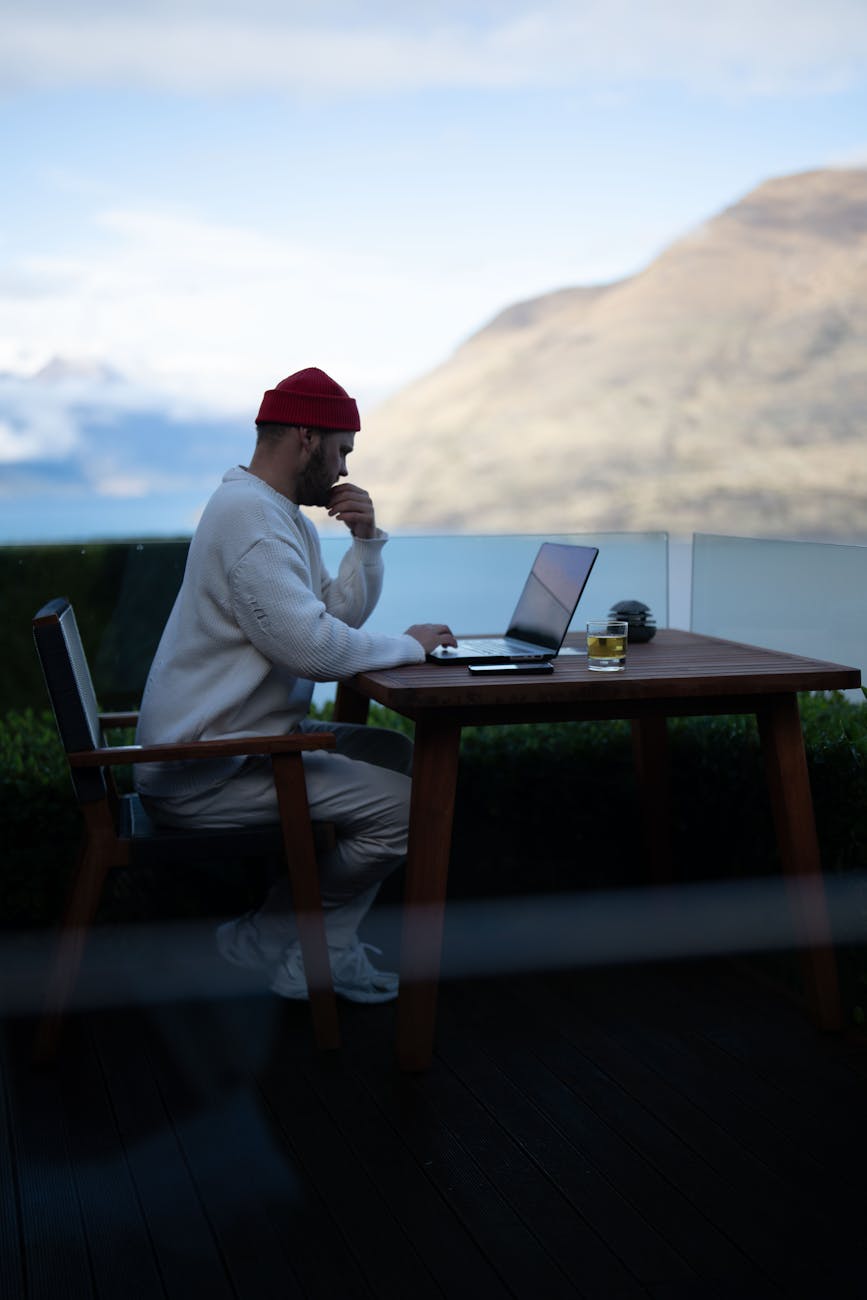
There’s a quiet grief that comes with realizing your hobbies don’t feel fun anymore. Not in a dramatic, everything-is-falling-apart way, but in a slow, dull, persistent ache. The kind that shows up when you finally sit down with the thing you used to love—music, games, writing, reading, building, collecting, creating—and instead of excitement, you feel tired. Heavy. Almost resentful. You want to want to do it, but the spark just isn’t there. And that sucks, because these are supposed to be the things that refill you, not drain you further.
As kids, hobbies feel infinite. Time stretches. An afternoon can swallow you whole. You can lose hours without noticing, because your brain isn’t constantly doing background math about productivity, schedules, money, or whether you’re “wasting time.” You don’t need to justify enjoyment. You just do things because they feel good. Somewhere along the way, that ease disappears, and it doesn’t vanish all at once. It erodes. Slowly. Almost politely. Until one day you look at your shelf of books, your game library, your instruments, your art supplies, your streaming watchlist, and feel nothing but exhaustion.
Part of the problem is that adulthood reframes everything around utility. Time stops being something you have and becomes something you manage. Leisure turns into a negotiation. You’re no longer asking, “What do I feel like doing?” You’re asking, “Do I have enough energy for this?” and “Is this the best use of the limited free time I have?” That mental shift alone is enough to poison joy. Even before you start the hobby, you’re already tired from deciding whether you’re allowed to enjoy it.
There’s also the cruel irony that as an adult, you finally have the money to buy the things you always wanted—but not the time to use them. You can afford the console, the PC, the camera, the guitar, the books, the gear, the subscriptions. You can curate your dream setup. But when do you actually get to sit down and enjoy it without feeling rushed or guilty? You buy things with the promise of a future version of yourself who has energy, focus, and peace. That version rarely shows up on schedule.
So the stuff piles up. Not just physically, but mentally. Each unused item becomes a reminder. A quiet accusation. “You said you loved this.” “You said this mattered to you.” The hobby stops feeling like an escape and starts feeling like an obligation you’re failing to meet. And once enjoyment becomes obligation, it collapses under its own weight.
Everything feels draining because everything is connected now. Work bleeds into home. News bleeds into rest. Notifications bleed into silence. Even hobbies aren’t safe from optimization culture. You’re not just playing a game, you’re thinking about completion rates, skill ceilings, updates, metas. You’re not just writing, you’re thinking about publishing, algorithms, engagement, relevance. You’re not just making music, you’re thinking about platforms, releases, attention spans. The pure act of doing gets buried under layers of expectation.
Burnout doesn’t always look like total collapse. Sometimes it looks like boredom where passion used to live. Sometimes it looks like scrolling endlessly because starting anything feels too heavy. Sometimes it looks like owning everything you ever wanted and enjoying none of it. And the worst part is the shame that creeps in alongside it. You tell yourself you’re ungrateful. Lazy. Broken. Other people would kill to have what you have, so why can’t you just enjoy it?
But that framing misses the point. The problem isn’t that you don’t like your hobbies anymore. The problem is that you’re exhausted in a system that constantly extracts attention, energy, and emotion, and then acts surprised when there’s nothing left for joy. You’re not failing your hobbies. You’re surviving a structure that leaves very little room for unstructured pleasure.
There’s also a deeper emotional layer to this, one people don’t talk about enough. Hobbies used to be tied to identity. “I’m a gamer.” “I’m a writer.” “I’m a musician.” When those hobbies stop feeling good, it can feel like losing a piece of yourself. Not just something you do, but something you are. That loss can trigger a kind of low-grade mourning. You’re not just bored—you’re grieving a version of yourself who felt alive doing these things.
And adulthood doesn’t offer many rituals for that kind of grief. There’s no ceremony for outgrowing joy. No language for saying, “I still love this, but I’m too tired to touch it.” So instead, people internalize it. They assume something is wrong with them. They push themselves harder. They try to force fun, which only makes it worse.
Another cruel twist is that rest itself becomes labor. You don’t just rest—you “recover.” You don’t relax—you “recharge.” Even downtime gets framed as a tool to make you more functional later. That mindset turns hobbies into extensions of productivity. If a hobby doesn’t leave you feeling energized, inspired, or improved, it feels like it failed. But sometimes hobbies aren’t supposed to do anything except exist with you in the moment. Sometimes they’re quiet. Sometimes they’re slow. Sometimes they’re pointless, and that’s the point.
When everything feels draining, it’s often because there’s no true off-switch. Even when you stop working, your nervous system doesn’t get the memo. You’re still on edge. Still bracing. Still anticipating the next demand. In that state, pleasure can feel inaccessible. Not because you don’t want it, but because your body doesn’t feel safe enough to sink into it.
This is why buying things feels easier than enjoying them. Purchasing is quick. Contained. It gives a brief hit of anticipation without requiring sustained energy. Enjoyment, on the other hand, requires presence. Time. Attention. A willingness to be absorbed. Those are the exact resources modern adulthood drains first.
There’s also the pressure to be “good” at your hobbies. To justify the time spent. To show progress. To prove it wasn’t wasted. That pressure can quietly kill curiosity. When every activity is measured against output, the messy, playful, aimless part of joy gets squeezed out. You stop experimenting. You stop dabbling. You stop doing things badly just for the hell of it.
And then there’s comparison. You see people online who seem endlessly passionate, endlessly productive, endlessly joyful in their interests. You don’t see the burnout behind the scenes, the edits, the pauses, the help they have, or the ways their lives are structured differently. You just see the highlight reel and assume you’re the outlier for struggling. That comparison turns hobbies into mirrors reflecting what you think you’re not.
At some point, it becomes easier to disengage entirely. To tell yourself you’re “just not into that anymore.” Sometimes that’s true. People change. Interests evolve. But sometimes it’s not disinterest—it’s depletion. And those two things feel very similar from the inside.
The tragedy is that hobbies are often the first thing to go when life gets overwhelming, even though they’re the things that help us process, release, and reconnect. We sacrifice them to survive, then wonder why everything feels hollow. It’s not that joy disappears—it gets postponed indefinitely, always scheduled for a future moment when things calm down. That moment rarely arrives.
Maybe the problem isn’t that hobbies don’t seem fun lately. Maybe the problem is that fun has been asked to carry too much weight. To heal burnout. To compensate for exhaustion. To justify its existence. That’s an impossible job for any activity.
Sometimes the most honest thing you can do is admit that you’re tired without turning that into a moral failing. To let hobbies exist quietly on the sidelines without demanding they perform. To stop buying things for a version of yourself that doesn’t exist yet, and instead meet yourself where you are—drained, overwhelmed, still trying.
Enjoyment might come back differently. Smaller. Slower. Less intense. It might show up as ten minutes instead of hours. As familiarity instead of excitement. As comfort instead of passion. And that doesn’t mean it’s broken. It just means it’s adult, shaped by a world that doesn’t leave much room for softness.
You’re allowed to miss the way things used to feel. You’re allowed to be frustrated that adulthood gives you access but not time, choice but not energy. You’re allowed to say that it sucks, without immediately trying to fix it or optimize it away.
Maybe the goal isn’t to make hobbies fun again right now. Maybe the goal is to stop blaming yourself for why they aren’t. To recognize that feeling drained isn’t a personal failure—it’s a signal. One that says something about the pace, the pressure, the constant demand to be “on.”
Joy doesn’t vanish forever. But it does ask for conditions. Space. Gentleness. Permission to exist without justification. And until those conditions return, it’s okay to sit with the truth: that loving something doesn’t always mean having the energy to engage with it, and that doesn’t make you less passionate, less interesting, or less alive.
It just means you’re human, living in a world that takes a lot and gives very little back, and trying—quietly, imperfectly—to hold onto the parts of yourself that still matter.

Leave a Reply