Laws are rarely just about the words written on paper. They ripple outward, affecting communities, identities, and even individual well-being. Texas Senate Bill 20 (SB20), which went into effect on September 1st, is a prime example of this dynamic.
The law criminalizes possession or promotion of “obscene visual material” that appears to depict minors, extending even to animated, AI-generated, or fictional works like anime, manga, video games, and graphic novels. While its stated goal is to protect children from exploitation, the broad and vague language creates unintended consequences—ones that directly affect the mental health of fans, creators, and entire artistic communities.
Fear and Anxiety in Everyday Life
For many people in Texas, especially those who love anime, gaming, or manga, SB20 has created a climate of fear. Suddenly, hobbies that once brought joy and belonging now carry the risk of misunderstanding or even criminal suspicion. Owning a manga series, cosplaying as a youthful-looking character, or creating digital fan art are all activities that could now feel dangerous.
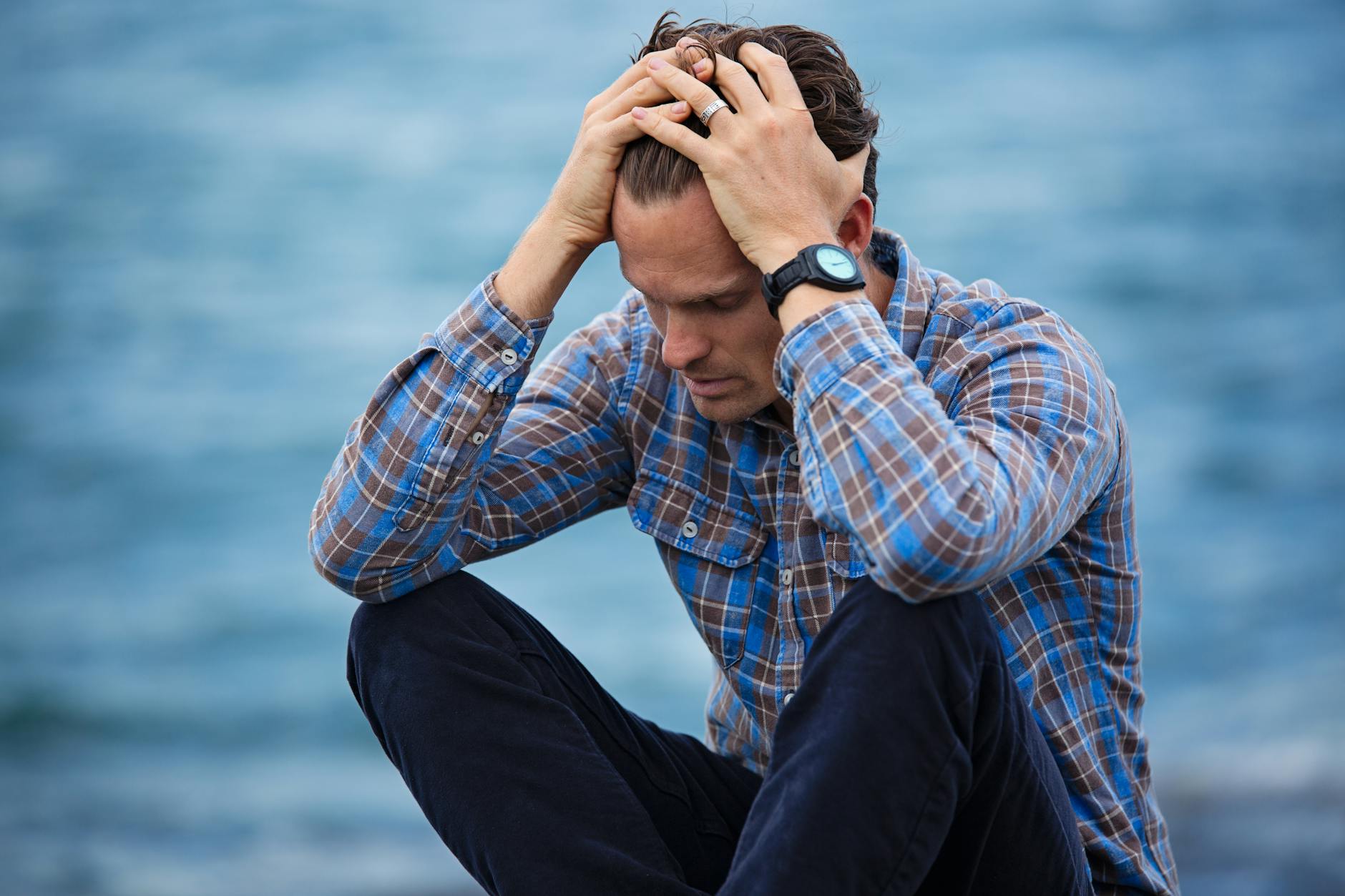
This kind of fear is more than just inconvenience—it’s a mental health issue. Constantly worrying about whether your creative expression or personal interests might make you a target for the law takes a toll. Anxiety rises. Trust in community spaces diminishes. The very activities that once provided comfort and escape become sources of stress.
The Pressure of Self-Censorship
One of the most damaging aspects of SB20 is the pressure it places on people to self-censor. Artists may avoid drawing in certain styles. Writers may abandon entire storylines. Fans may hesitate to share their favorite media online. Cosplayers may second-guess their costumes.
Self-censorship doesn’t just limit creativity—it chips away at identity. For many people, anime, manga, gaming, or art are not just hobbies, but core parts of who they are. Losing the ability to engage in those communities openly can lead to feelings of isolation, shame, and depression. It reinforces the harmful idea that enjoying certain forms of art makes a person “suspicious” or “wrong.”
Communities Under Pressure
Communities thrive when people feel safe to gather, share, and connect. Conventions, online groups, and local clubs built around anime and gaming provide belonging for countless people. But under SB20, those same spaces may feel unsafe.
If fans are worried that their art, cosplay, or even casual conversation could be misinterpreted, they may withdraw from these communities. Over time, this weakens vital support networks. People who already struggle with loneliness or identity issues lose one of the few spaces where they feel understood. That loss can amplify existing mental health struggles, especially for young people.
Creativity as a Coping Tool
For many, art is not just expression but survival. Writing stories, drawing fan art, or cosplaying can be ways to cope with anxiety, trauma, or depression. Gaming can be a form of stress relief and community connection.
SB20 undermines these coping tools by attaching stigma and risk to them. When someone is told that their safe outlet could make them a criminal, they may feel trapped, ashamed, or hopeless. This is especially damaging for teens and young adults, who often turn to fandom and creative expression during vulnerable periods of their lives.
The Risk of Stigma
Mental health is already deeply affected by stigma—the idea that people are “wrong” or “bad” for their feelings, identities, or interests. SB20 adds another layer of stigma for fans of anime, manga, or certain styles of art.
Even if someone never faces legal trouble, the social stigma can be heavy. They may feel judged by family, misunderstood by peers, or unwelcome in public spaces. That isolation fuels negative mental health outcomes, reinforcing cycles of anxiety and depression.
Beyond Texas: A Growing Concern
Texas is not the only place considering laws like this. Other states and even countries are exploring similar measures, which means the mental health impact could spread far beyond one region.
The danger is not just legal—it’s psychological. When people see governments equating fiction with crime, they may internalize the idea that their art or hobbies are inherently shameful. That belief is corrosive. It teaches people to distrust their own passions and identities, which can have long-term consequences for self-esteem and mental health.
Protecting Well-Being in a Time of Fear
So how do we respond? First, it’s important to acknowledge that the anxiety people feel around SB20 is real and valid. Dismissing these fears only deepens isolation. Communities must continue to provide support, reassurance, and solidarity.
Second, creators and fans should remember that their passions are not inherently wrong. Anime, manga, gaming, and art have always been sources of joy, creativity, and resilience. These communities have weathered stigma before, and they can do so again—especially if people stay connected and resist the urge to self-isolate.
Finally, conversations about laws like SB20 should always include mental health. Legal debates often focus on crime, censorship, or policy, but the human cost—the stress, fear, and stigma experienced by real people—is just as important. Lawmakers must understand that vague, sweeping bills don’t just regulate media; they impact lives, identities, and well-being.
A Call for Compassion
At its core, SB20 is a reminder of how deeply intertwined law, culture, and mental health are. When laws are vague and stigmatizing, they don’t just limit art—they harm people. They make individuals feel unsafe in their own passions, silenced in their own communities, and judged for the very things that give them strength.
Protecting children is a noble goal, but it cannot come at the expense of mental health and freedom of expression. Compassion, nuance, and understanding must guide both legislation and the cultural conversations around it. Otherwise, we risk replacing one harm with another: fear, silence, and isolation for the very people who most need community and expression.


Leave a Reply