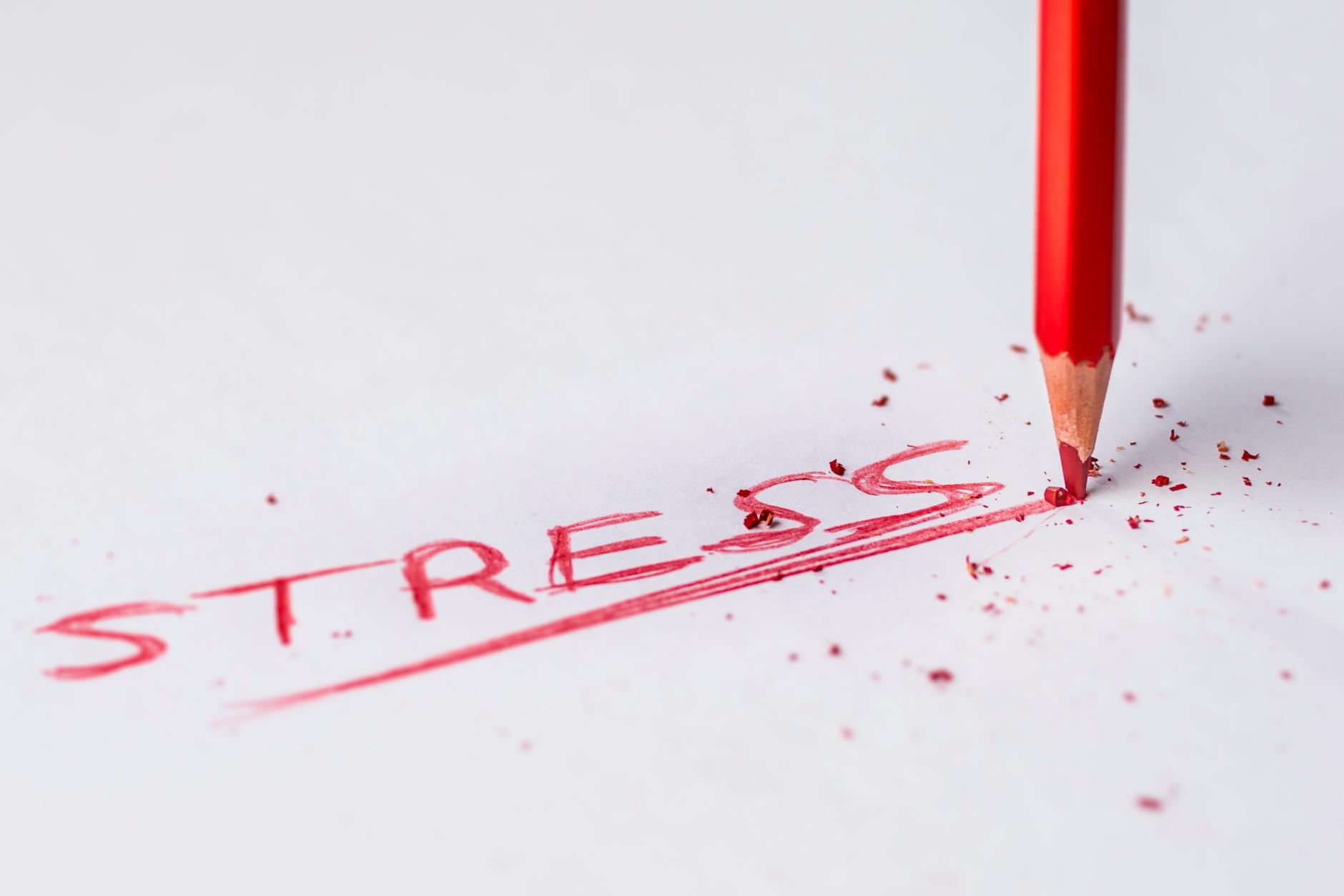
Anxiety can be overwhelming, especially in stressful situations. Whether you’re preparing for an important presentation, dealing with a tight deadline, or navigating a difficult personal conversation, stress often triggers anxiety. But the good news is that there are ways to manage and reduce these feelings of anxiety, even in the midst of stress. In this post, we’ll explore effective techniques for managing anxiety when life feels like it’s spinning out of control.
Understanding Anxiety: What Happens in Your Body?
Before diving into strategies to manage anxiety, it’s important to understand what’s happening in your body. Anxiety is your body’s natural response to perceived threats, triggering the “fight or flight” response. This causes physiological changes, such as an increased heart rate, shallow breathing, muscle tension, and heightened awareness. While these reactions are normal in stressful situations, they can become overwhelming if left unchecked.
Why is Anxiety So Common in Stressful Situations?
Stressful events often activate the body’s anxiety response, making us feel out of control. In today’s fast-paced world, many people face constant stressors—whether it’s work, school, relationships, or personal challenges—that can exacerbate anxiety. It’s essential to recognize that anxiety is a natural emotion, but it doesn’t have to control your life.
Practical Tips for Managing Anxiety During Stressful Situations
Here are some proven techniques that can help manage anxiety and regain a sense of calm during stressful moments:
1. Practice Deep Breathing
Deep breathing exercises can immediately calm your nervous system. By focusing on your breath, you can distract your mind from anxious thoughts and slow down your body’s fight-or-flight response.
How to practice deep breathing:
- Inhale deeply for four counts, filling your lungs completely.
- Hold your breath for four counts.
- Exhale slowly for six counts, allowing your body to relax.
- Repeat this for 5–10 minutes until you feel more centered.
2. Ground Yourself with the 5-4-3-2-1 Technique
The 5-4-3-2-1 technique is a mindfulness strategy that helps you stay present and calm by focusing on your surroundings.
How it works:
- 5 things you can see: Take note of five objects in your environment and describe them to yourself.
- 4 things you can touch: Focus on textures—your clothing, the surface of the desk, your phone, etc.
- 3 things you can hear: Pay attention to sounds around you, like the hum of the air conditioning or distant voices.
- 2 things you can smell: Try to identify two scents, whether it’s the coffee brewing or the fresh air outside.
- 1 thing you can taste: Focus on a taste in your mouth, whether it’s lingering from a meal or simply the freshness of your breath.
This exercise can pull you out of overwhelming thoughts and bring you back to the present moment.
3. Challenge Negative Thoughts
Anxiety often stems from distorted thinking, like catastrophizing or believing the worst will happen. When you feel anxious, try to challenge these thoughts.
How to challenge negative thinking:
- Identify the anxious thought: “I’m going to fail this presentation.”
- Ask yourself: “What evidence do I have for this thought? Have I succeeded in similar situations before?”
- Reframe the thought: “I’ve prepared well, and I can handle this. I’m not going to fail.”
By questioning negative thoughts and replacing them with realistic, positive ones, you can lessen their power.
4. Take Breaks to Recenter Yourself
When faced with a stressful situation, it’s easy to feel overwhelmed and trapped in your thoughts. Taking short breaks can give your brain a chance to reset.
Tips for taking effective breaks:
- Step away from your work or stressful situation for at least five minutes.
- Go for a walk outside to get fresh air and clear your mind.
- Listen to calming music or a podcast to shift your focus.
- Try a short meditation or yoga session to release tension from your body.
Breaks allow your mind to recharge, preventing burnout and reducing anxiety.
5. Use Visualization Techniques
Visualization is a powerful technique to calm your mind and prepare for stressful situations. By imagining yourself handling a stressful event with confidence, you can reduce feelings of anxiety.
How to visualize success:
- Close your eyes and take a few deep breaths.
- Picture yourself facing the stressful situation (e.g., giving a speech, meeting a deadline, etc.).
- Visualize yourself handling the situation calmly, confidently, and successfully.
- Imagine the sense of accomplishment and relief you’ll feel once it’s over.
Visualization can help you feel more in control and prepared.
6. Move Your Body: Physical Exercise to Calm the Mind
Physical activity is a natural way to reduce anxiety. Exercise increases endorphins, the “feel-good” hormones, which help reduce stress and improve your mood.
How to get moving:
- Go for a brisk walk, even just for 10–15 minutes.
- Try yoga or stretching exercises to relieve muscle tension.
- Engage in more intense exercises, like jogging or cycling, if you have the time and energy.
Even a small amount of movement can make a significant difference in how you feel.
7. Reach Out for Support
Sometimes, the best way to manage anxiety during stressful situations is to talk to someone you trust. Sharing your feelings can help you process the situation and reduce the sense of isolation.
How to seek support:
- Talk to a friend, family member, or colleague who is a good listener.
- If you feel comfortable, consider talking to a mental health professional, such as a therapist or counselor.
- If you’re part of a support group (online or in-person), share your struggles and seek advice.
Having a support system can make stressful situations feel more manageable and less intimidating.
8. Prepare in Advance for Stressful Situations
If you know you’ll face a stressful situation in the near future, preparation can help reduce anxiety. By taking proactive steps, you’ll feel more in control.
How to prepare:
- Break down the situation into smaller, manageable tasks.
- Organize your environment to minimize distractions or stressors.
- Practice or rehearse (e.g., a presentation, an important conversation) in advance.
- Make sure to get enough rest the night before the event.
Being prepared reduces uncertainty and helps you feel more confident when facing stress.
9. Stay Hydrated and Nourished
Your physical well-being directly impacts your mental state. Dehydration and poor nutrition can exacerbate feelings of anxiety.
Tips for staying nourished:
- Drink enough water throughout the day.
- Eat regular meals, focusing on foods that support brain health, like fruits, vegetables, lean proteins, and whole grains.
- Avoid excessive caffeine or sugar, which can trigger anxiety.
Proper nutrition and hydration support both your body and mind, reducing anxiety.
10. Use Relaxation Techniques
Relaxation techniques can help reduce the physical symptoms of anxiety, such as muscle tension and shallow breathing.
Popular relaxation techniques include:
- Progressive muscle relaxation (PMR): Tensing and releasing muscle groups to reduce tension.
- Guided imagery: Listening to a calming script that guides you through a relaxing mental experience.
- Aromatherapy: Using essential oils (like lavender) to promote relaxation.
By incorporating relaxation into your routine, you’ll feel more equipped to handle stress with ease.
Conclusion: Managing Anxiety with Confidence
Anxiety is a normal part of life, but it doesn’t have to control your experiences. By incorporating these strategies into your routine, you can manage your anxiety more effectively and regain a sense of calm during stressful situations. Remember that anxiety is manageable, and you don’t have to face it alone. Practice these techniques regularly, and over time, they will become second nature, helping you feel more confident and in control during challenging moments.


Leave a Reply