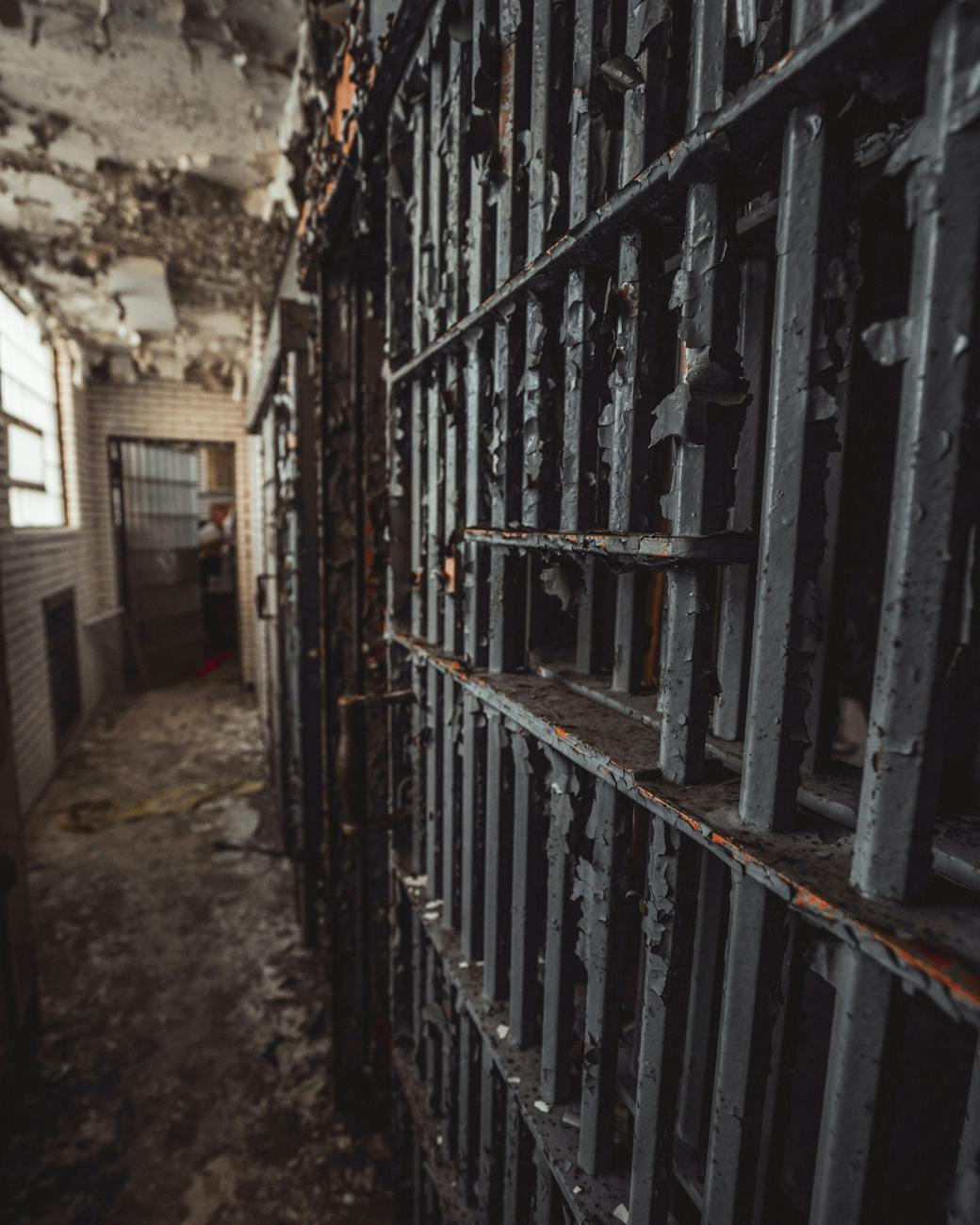
Despite decades of advocacy, America’s jails and prisons remain the largest providers of mental health care, a reality that underscores systemic failure. The Bureau of Justice Statistics reports that about 37% of people incarcerated in jails have a diagnosed mental health disorder, but correctional facilities are neither designed nor staffed to provide adequate psychiatric care.
The criminal justice system frequently becomes the default “treatment” for individuals with untreated mental illness, especially those experiencing homelessness or substance use disorders. The revolving door of incarceration without treatment only worsens outcomes and strains public safety resources.
Efforts to divert mentally ill individuals from jail through specialized courts and community programs have grown, but funding remains inconsistent and patchy across states. Meanwhile, overcrowding and understaffing in prisons exacerbate mental health crises, sometimes resulting in increased suicide rates behind bars.
Advocates call for a radical rethinking: prioritizing mental health care over incarceration through expanded community mental health centers, crisis intervention teams, and comprehensive reentry support.


Leave a Reply