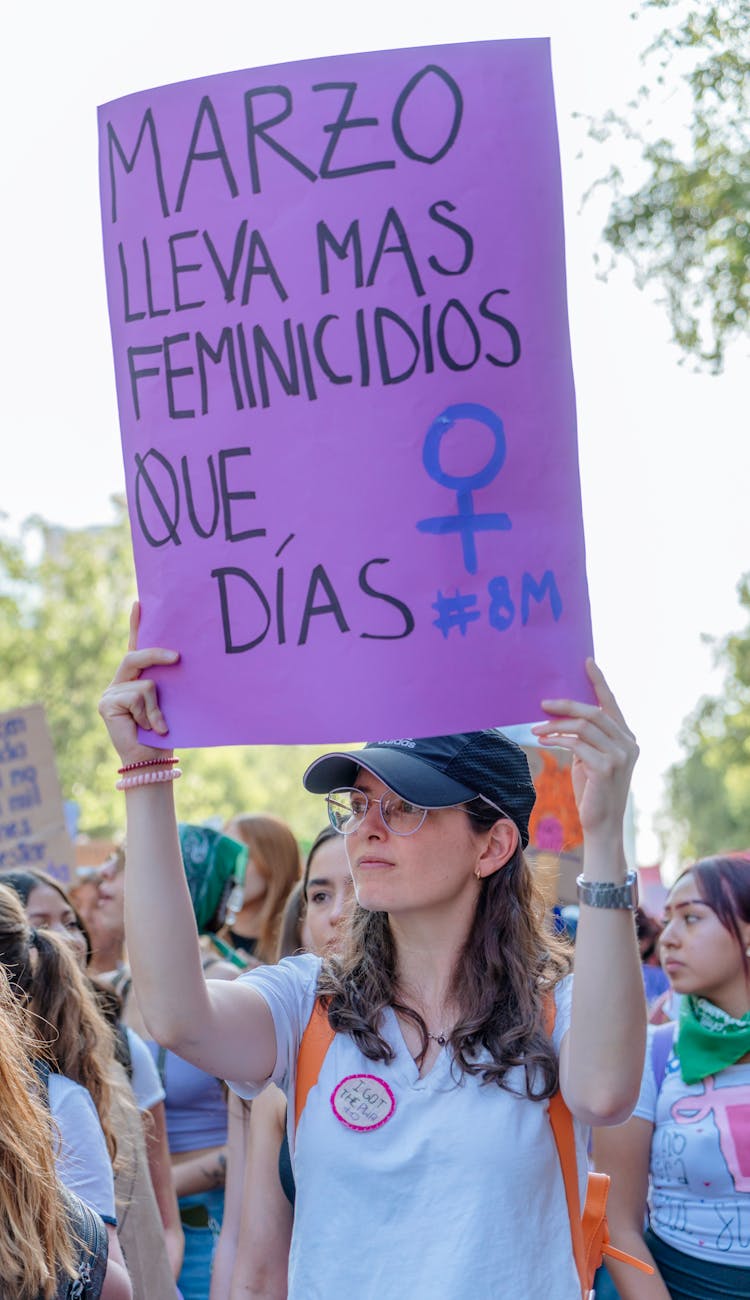
International Women’s Day, observed on March 8th each year, is often associated with celebrating achievements, honoring pioneers, and recognizing the countless ways women have shaped the world. But there is another dimension of this day that deserves equal attention, especially within the context of mental health. Behind many accomplishments are deeply personal stories of resilience, emotional struggle, healing, and growth. Women across the world navigate complex mental health challenges shaped by social expectations, cultural pressures, economic realities, trauma, caregiving responsibilities, and the emotional labor that society often silently expects them to carry. Recognizing these experiences is not about framing women only through hardship, but rather about honoring the strength it takes to endure, adapt, and continue moving forward. International Women’s Day provides a moment to pause and acknowledge not only external achievements but also the internal battles many women fight every single day.
Mental health conversations have evolved significantly over the past few decades, yet stigma still exists, and women often experience unique pressures when it comes to emotional wellbeing. In many cultures, women are expected to be caretakers, nurturers, mediators, and emotional anchors for families and communities. These expectations can create invisible burdens. When someone is constantly expected to care for others, their own emotional needs can become sidelined. Women may feel pressure to appear strong, patient, understanding, and composed even when they are struggling internally. This dynamic can lead to burnout, anxiety, depression, and feelings of isolation. Yet despite these challenges, countless women continue to find ways to care not only for others but also for themselves, seeking therapy, building support networks, and learning how to set boundaries that protect their mental health.
Another important aspect of women’s mental health journeys is the courage it takes to speak openly about emotional struggles. For generations, many mental health topics were considered taboo. Women who expressed distress were sometimes dismissed as overly emotional or labeled in ways that minimized their experiences. Fortunately, we are beginning to see a cultural shift. More women are sharing their stories publicly, discussing anxiety, trauma, postpartum depression, workplace stress, grief, and countless other aspects of mental health. These conversations matter because they remind people that they are not alone. When someone hears another person articulate a struggle they thought they were facing in isolation, it can be incredibly validating. Storytelling becomes a form of healing, both for the person sharing their experience and for those who listen.
Intersectionality also plays a crucial role in understanding women’s mental health. Women from marginalized communities often face overlapping forms of stress and discrimination. Women of color, LGBTQ women, immigrant women, disabled women, and women living in poverty may encounter additional layers of societal pressure and systemic barriers. These experiences can profoundly impact mental wellbeing. Addressing women’s mental health therefore requires a broad, compassionate perspective that acknowledges how social structures influence personal wellbeing. True mental health advocacy must recognize that emotional struggles are not purely individual issues but are often shaped by the environments in which people live.
At the same time, International Women’s Day is not only about acknowledging challenges. It is also about celebrating resilience and the many ways women support each other. One of the most powerful forces in mental health recovery is community. Women have long created networks of care through friendships, family relationships, support groups, mentorship, and activism. These networks provide spaces where people can express vulnerability without judgment. They allow individuals to share coping strategies, encourage each other, and remind one another that healing is possible. In many ways, these communities act as emotional safety nets, helping people navigate difficult moments while reinforcing a sense of belonging.
Self-compassion is another critical theme in women’s mental health conversations. Many women grow up internalizing unrealistic expectations about perfection, productivity, beauty, and emotional composure. These pressures can create harsh internal self-criticism. Learning to practice self-compassion means challenging those internal voices and replacing them with kindness toward oneself. It means recognizing that struggling does not make someone weak or inadequate. Instead, it acknowledges that being human involves experiencing pain, uncertainty, and vulnerability. When women allow themselves the same empathy they so often extend to others, it can be profoundly transformative.
Therapy and mental health resources have also become more accessible in many parts of the world, although significant gaps still remain. Increasing awareness around mental health has encouraged more people to seek professional help when needed. Therapists, counselors, and mental health advocates have played important roles in helping individuals develop healthier coping mechanisms and process difficult experiences. Yet access to care remains uneven, and International Women’s Day can also serve as a reminder that mental health resources should be available to everyone regardless of socioeconomic status or geographic location.
Another meaningful aspect of this conversation involves redefining strength. Society often equates strength with endurance or emotional stoicism, but mental health advocacy invites a different perspective. True strength may involve asking for help, setting boundaries, or acknowledging vulnerability. It might mean stepping away from toxic environments or allowing oneself time to rest and recover. These choices require courage because they challenge deeply ingrained societal expectations. When women prioritize their mental wellbeing, they are not only caring for themselves but also modeling healthier behaviors for future generations.
The digital age has introduced new dynamics into women’s mental health experiences as well. Social media can be both supportive and challenging. On one hand, online communities allow people to connect across distances, share resources, and discuss mental health openly. On the other hand, constant exposure to curated images of other people’s lives can create unrealistic comparisons and pressures. Navigating this landscape requires mindfulness and critical awareness. Many women are learning how to engage with digital spaces in ways that support rather than undermine their wellbeing.
International Women’s Day also encourages us to think about prevention and early support. Mental health care should not only focus on crisis intervention but also on building environments where people feel valued, respected, and safe. Workplaces, schools, families, and communities all play roles in shaping emotional wellbeing. Policies that promote work-life balance, parental support, healthcare access, and protection from violence can significantly impact mental health outcomes for women. Structural changes combined with individual support systems create the strongest foundations for wellbeing.
Ultimately, the message of International Women’s Day within the context of mental health is one of empathy and solidarity. Every person carries unseen emotional experiences, and many women navigate particularly complex layers of expectation and responsibility. Recognizing these realities does not diminish the incredible achievements women have made. Instead, it highlights the profound strength involved in pursuing those achievements while managing emotional challenges along the way.
As we reflect on this day, perhaps the most important action is simply to listen and offer compassion. Supporting women’s mental health means creating environments where honesty and vulnerability are welcomed rather than stigmatized. It means encouraging open dialogue, providing resources, and acknowledging that healing is a lifelong process. When we embrace these values, International Women’s Day becomes more than a celebration of accomplishments. It becomes a commitment to nurturing the wellbeing of women everywhere, recognizing their humanity, and affirming that their mental health matters just as much as their achievements.

Leave a Reply